FPOP History
Founded on August 4, 1969, the Family Planning Organization of the Philippines (FPOP) emerged from the merger of two pioneering institutions in the country’s family planning movement—the Family Planning Association of the Philippines (FPAP) and the Planned Parenthood Movement of the Philippines (PPMP). This unification was driven by a shared commitment to expanding access to family planning services and empowering Filipinos to make informed choices about their reproductive health.
For more than five decades, FPOP has remained steadfast in its mission to improve the quality of life of Filipinos. From the visionary leadership of its founders, Dr. Gregorio G. Lim (FPAP) and Dr. Jose B. Catindig (PPMP), to the generations of leaders, volunteers, and staff who followed, FPOP has grown into the country’s leading reproductive health care service provider and a prominent advocate for sexual and reproductive health and rights (SRHR).
Our Story
Over 50 Years of Advocacy and Impact
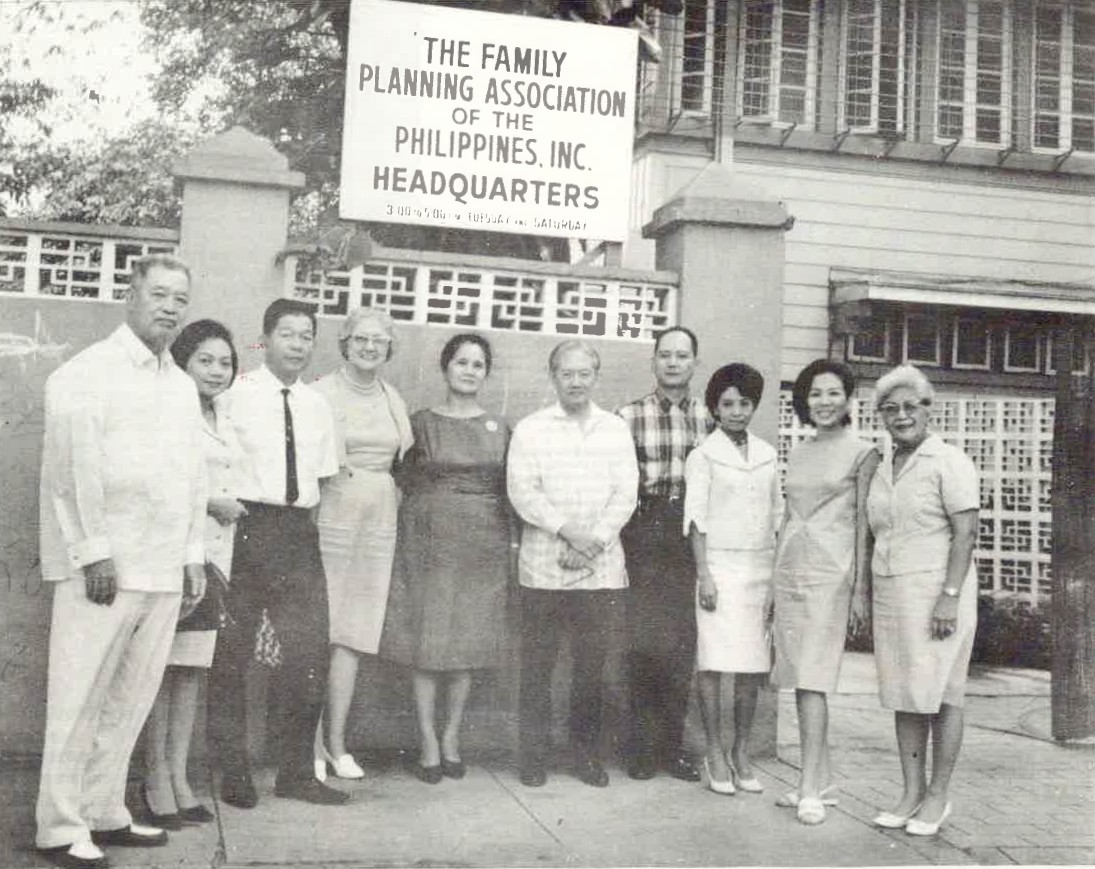
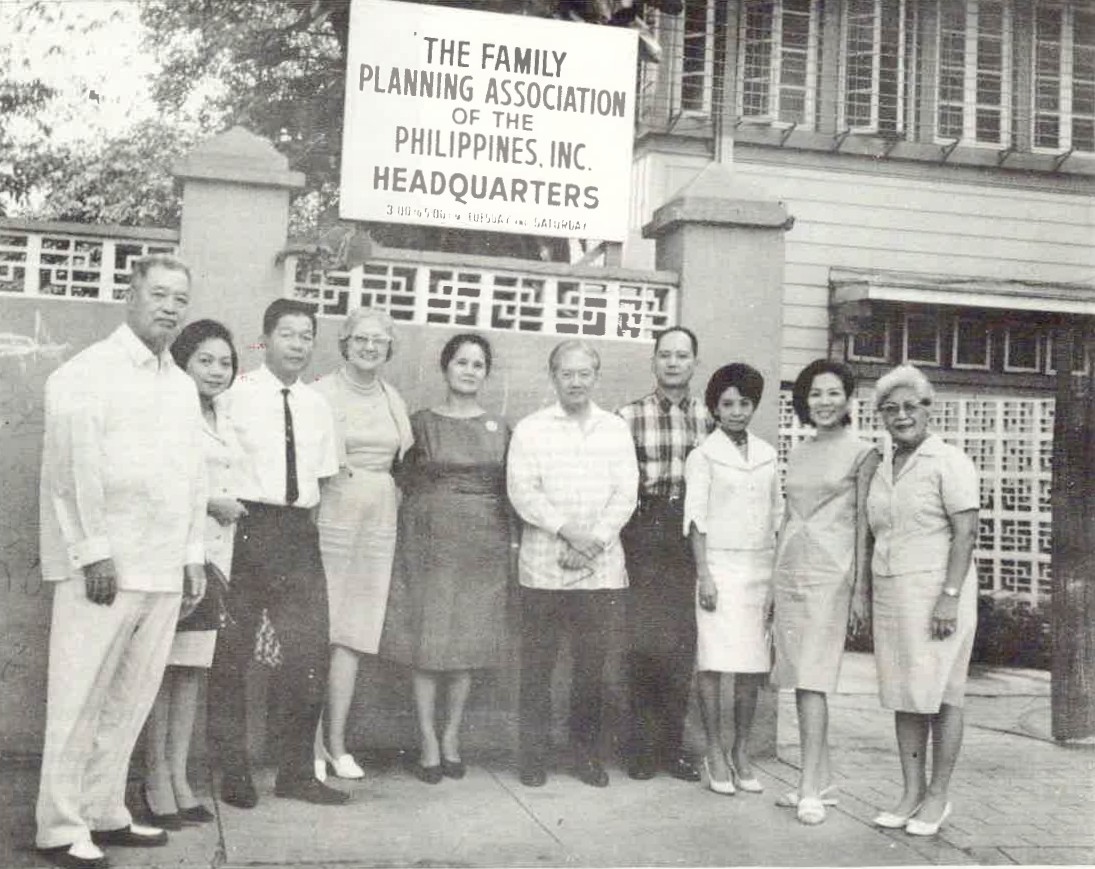
FPOP was founded on August 4, 1969, through the merger of two pioneering organizations — FPAP and PPMP — with a shared goal to make family planning accessible for all.

The Pioneering Years
FPOP was officially registered in 1969 as a non-stock, non-profit organization and quickly became a full member of IPPF. Through strong advocacy, it helped influence the declaration of Family Planning as a national policy, leading to the creation of the Commission on Population. During this decade, FPOP expanded nationwide through clinic establishment, training of healthcare providers, clinical research on contraceptives, youth leadership initiatives, and community-based programs such as Operation Magdamayan, bringing family planning services to rural and underserved communities.
Reinventing FPOP & Organizational Growth
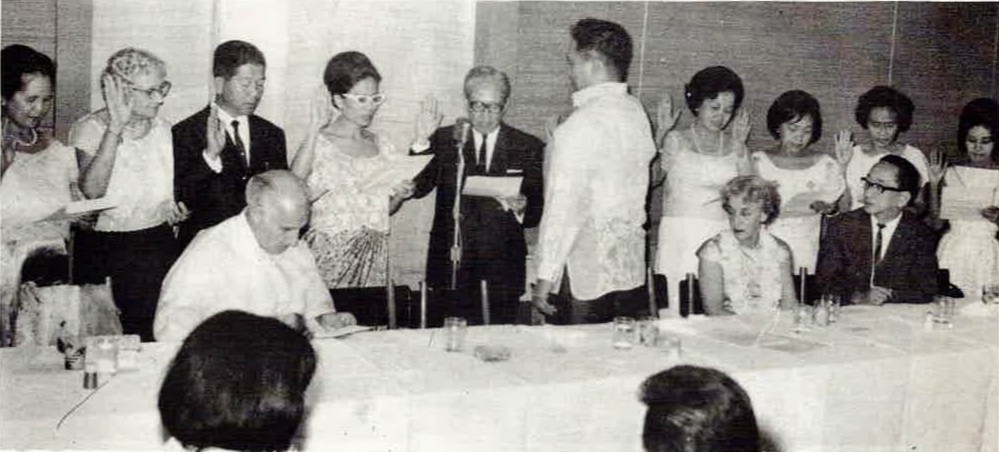
This period marked organizational restructuring and adaptation amid political and policy changes. FPOP transitioned community programs to barangay leadership, expanded adolescent sexuality education, and strengthened capacity-building for healthcare providers. Despite challenges caused by shifts in national population policy and funding constraints, FPOP continued to innovate through counseling programs, women-in-development initiatives, and the introduction of improved sterilization techniques such as No-Scalpel Vasectomy.
Advocacy for Reproductive Health Framework
FPOP played a key role in shaping the national reproductive health agenda by helping establish the Reproductive Health Advocacy Network (RHAN) and pushing for RH-focused policies at local and national levels. As the country aligned with global commitments such as the MDGs and ICPD framework, FPOP actively opposed restrictive policies favoring NFP-only approaches and led renewed advocacy for comprehensive reproductive health legislation amid reduced government support for contraceptive access.
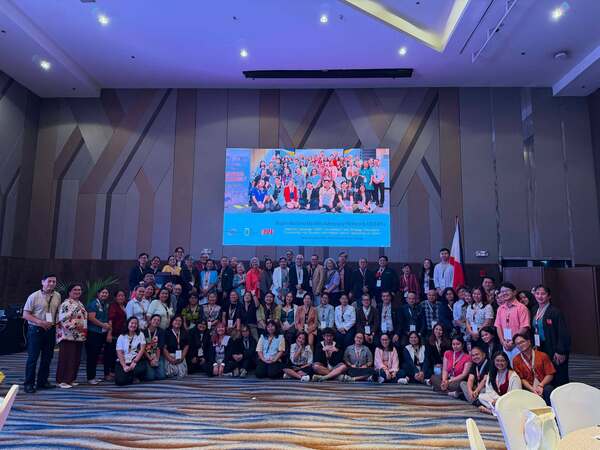
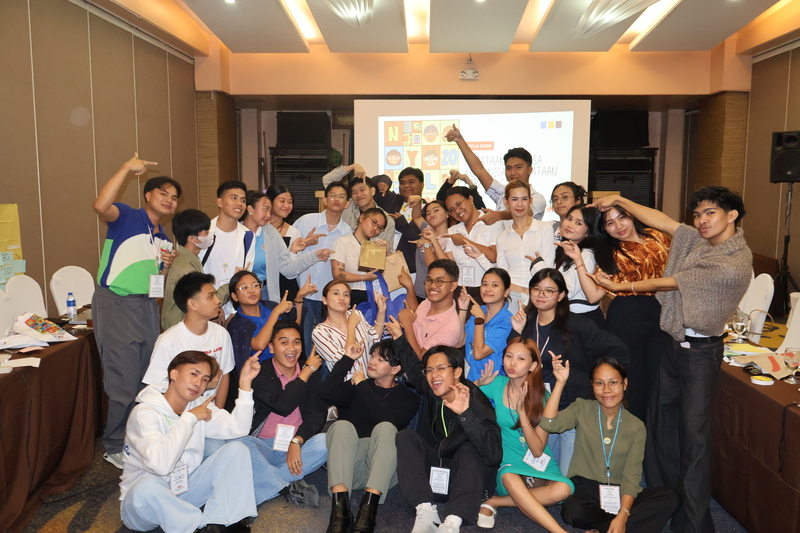
Youth, HIV & Rights-Based Programs
In recent years, FPOP has expanded rights-based programs focused on youth empowerment, HIV prevention, sexual and reproductive health education, and inclusive healthcare services. Through partnerships, advocacy, and community outreach, the organization continues to advance universal access to SRHR while responding to emerging health and social challenges across diverse Filipino communities.