
In the Phillipines– particularly in the Bicol region, where typhoons and climate-related disasters occur with alarming frequency, access to health services like family planning, safe birthing, and follow up health checks are is often among the first to be disrupted. This happened in the wake of Typhoon Opong in September 2025. Vulnerable and marginalized women, adolescents, and pregnant individuals faced increased risks of unplanned pregnancies, untreated reproductive health conditions, maternal complications, and sexual and gender-based violence (SGBV).
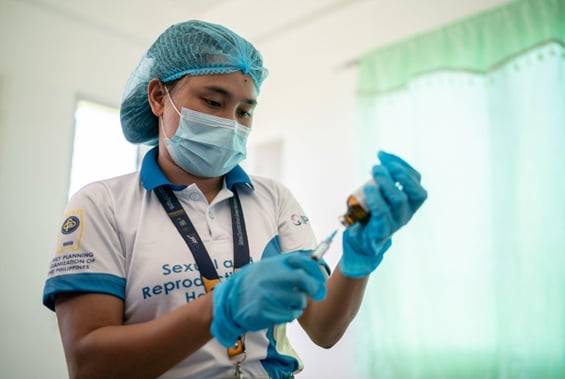
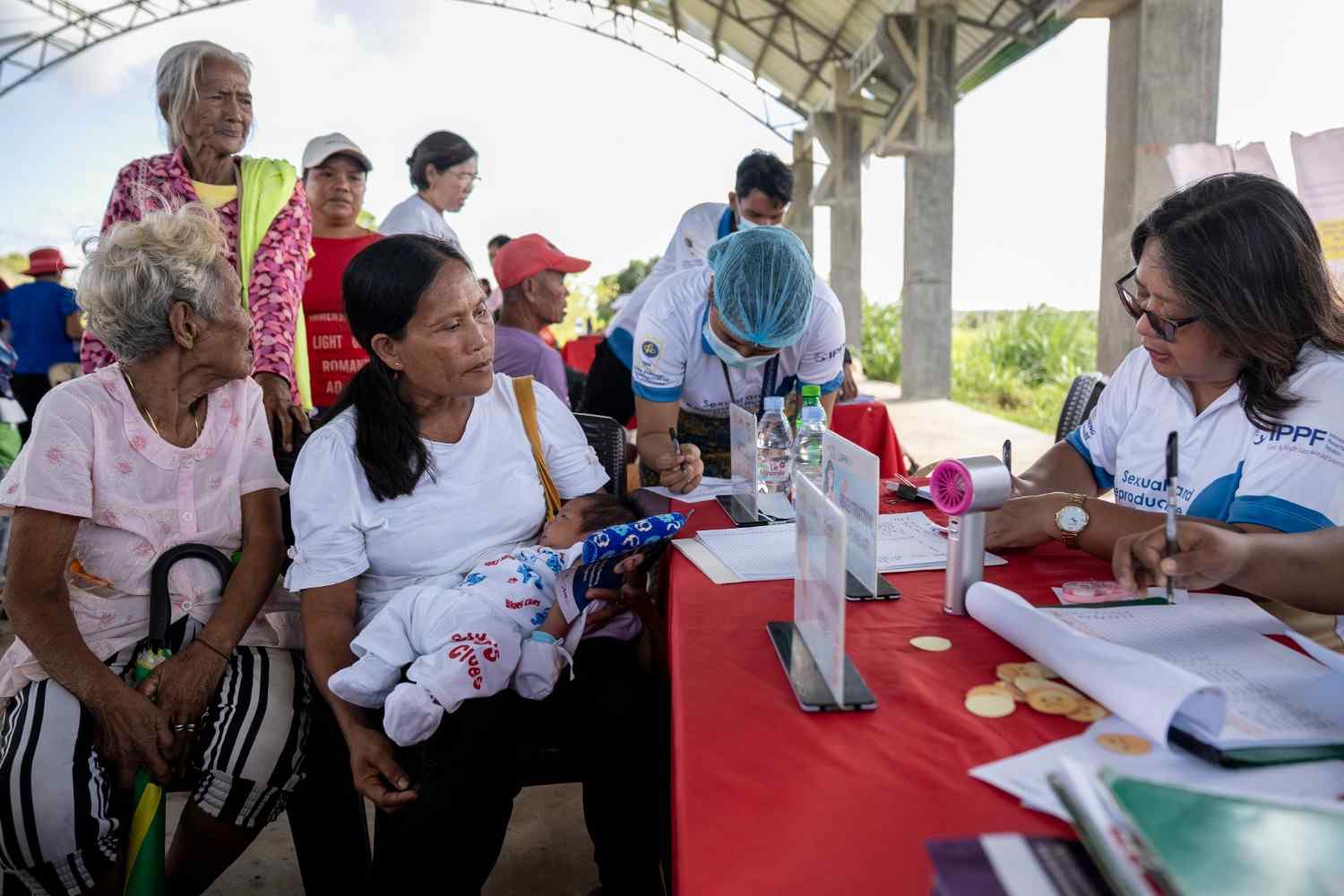
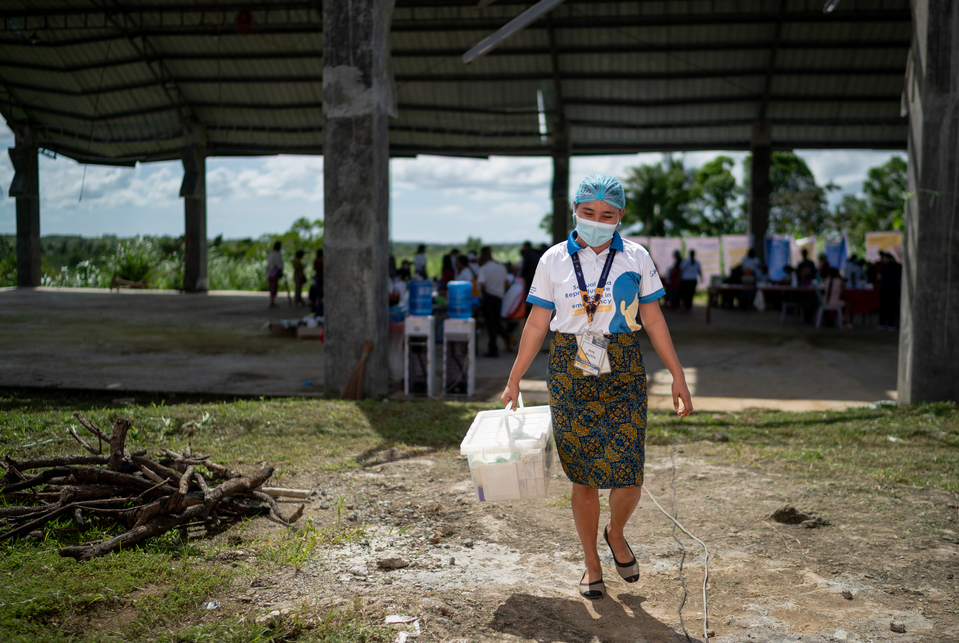
Family Planning Organization of the Philippines urgently responds to serve even during disasters through a strategy called Minimum Initial Service Package (MISP) by conducting and Sexual and Reproductive Health Medical Mission (SRHMM) since October 15, 2025 in the heavily affected areas in the province, bringing essential SRH services to those who are unable to access functioning health facilities in the aftermath of the disaster.
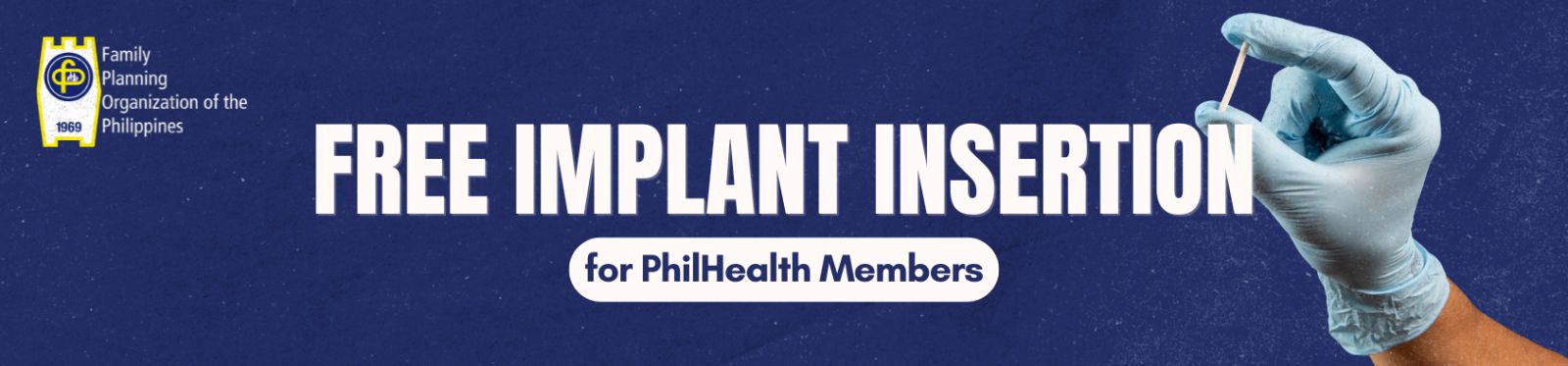
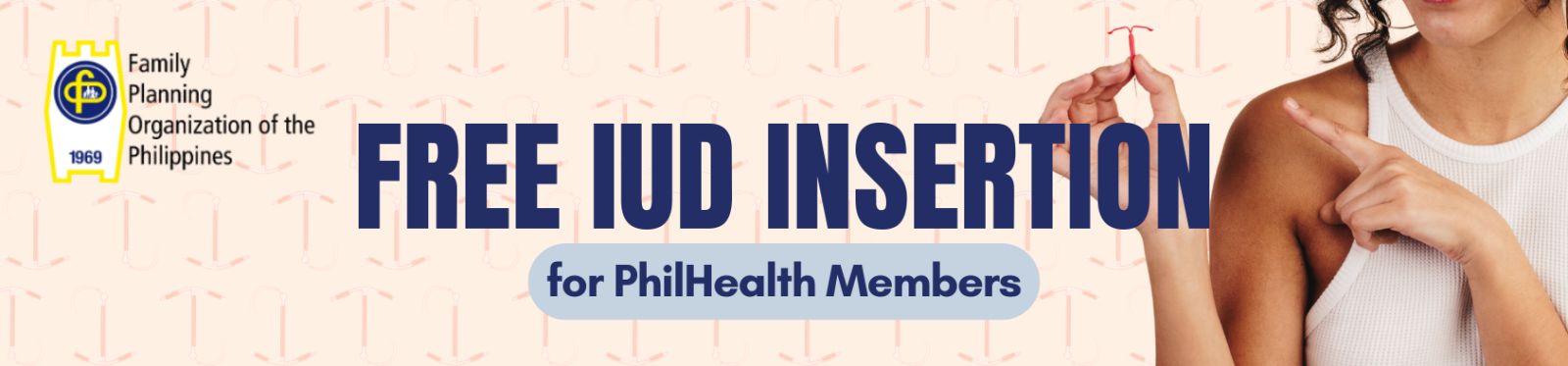
A team of healthcare service providers and volunteers from FPOP Masbate Chapter and the Local Government provided a range of essential services, including family planning counseling and provision of contraceptive methods (e.g. pills, condoms, IUD, Progestin-only Subdermal Implants,and Injectables), prenatal and postnatal consultations, HIV Screening, medical consultation, distribution of maternity and newborn kits, and sexual and reproductive health and rights information dissemination.
FPOP emphasizes that: sexual and reproductive health services must be fused into disaster preparedness and response efforts. Access to contraception, maternal care, and reproductive health information should not be treated as secondary concerns, but as essential components of humanitarian response and assistance.
In Masbate, FPOP with its LGU partners and volunteers have served a total of 4,422 clients during the SRHMM. These efforts show that integrating SRH into emergency response protects lives, dignity, and health even in crisis situations. As disasters become more frequent, FPOP continues to call for SRH to be recognized as an essential, life-saving part of all humanitarian responses.